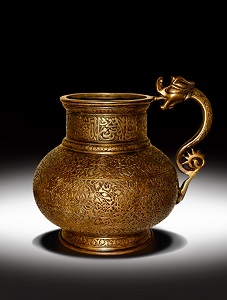
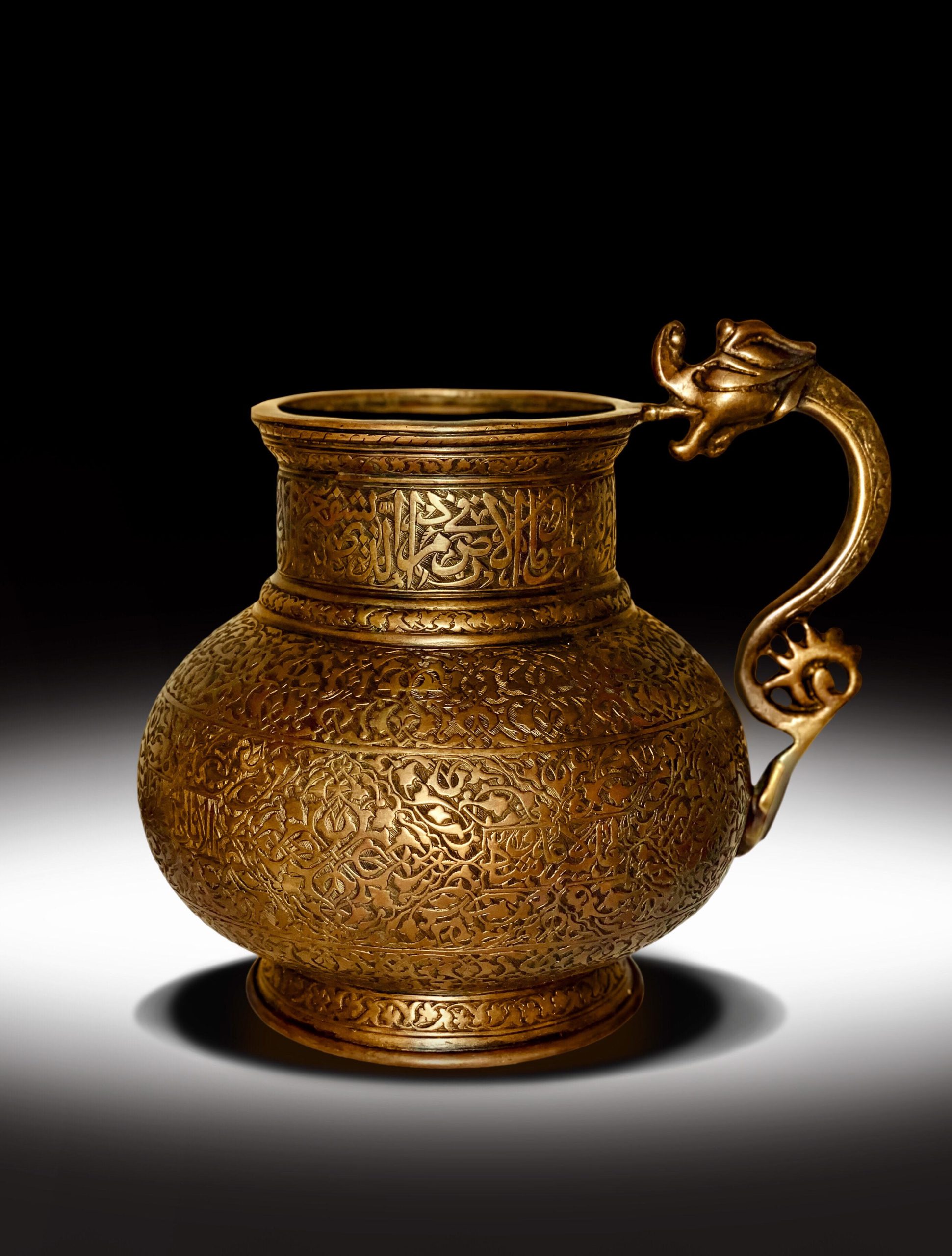
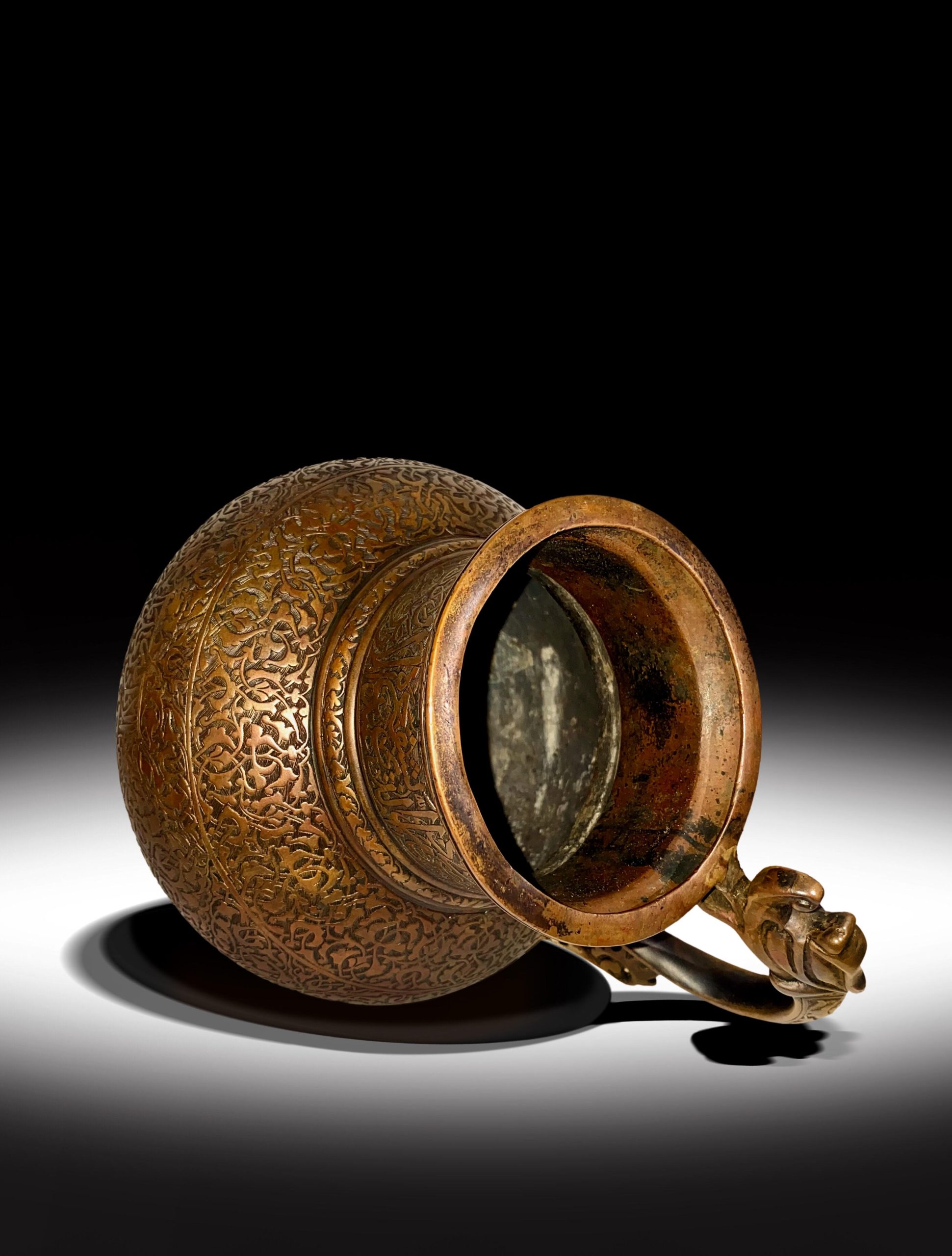
FOOTNOTE: | In the medieval Muslim world, the dragon was the most frequently represented fabulous beast. This applied across styles and media and in both sacred and secular contexts. Yet it’s prominence is marked by seemingly contradictory representations. Like Plato’s “Pharmakon” the dragon was imbued with antithetical meanings: as it stood for both the darkness of the eclipse and the light of God, the satanic and the divine, the transcendent and the earthly. The “Yin” and the “Yang” of Islam were embodied in the dragon, whose fire was the hell of destruction and also the blessed light of the divine. The dragon thus represented one of those exceptional and mysterious symbols that explained the more baffling phenomena such as creation, chaos and order, furthermore signifying amalgamations of dichotomous forces whose balance made life and the understanding of life possible. |
|---|