


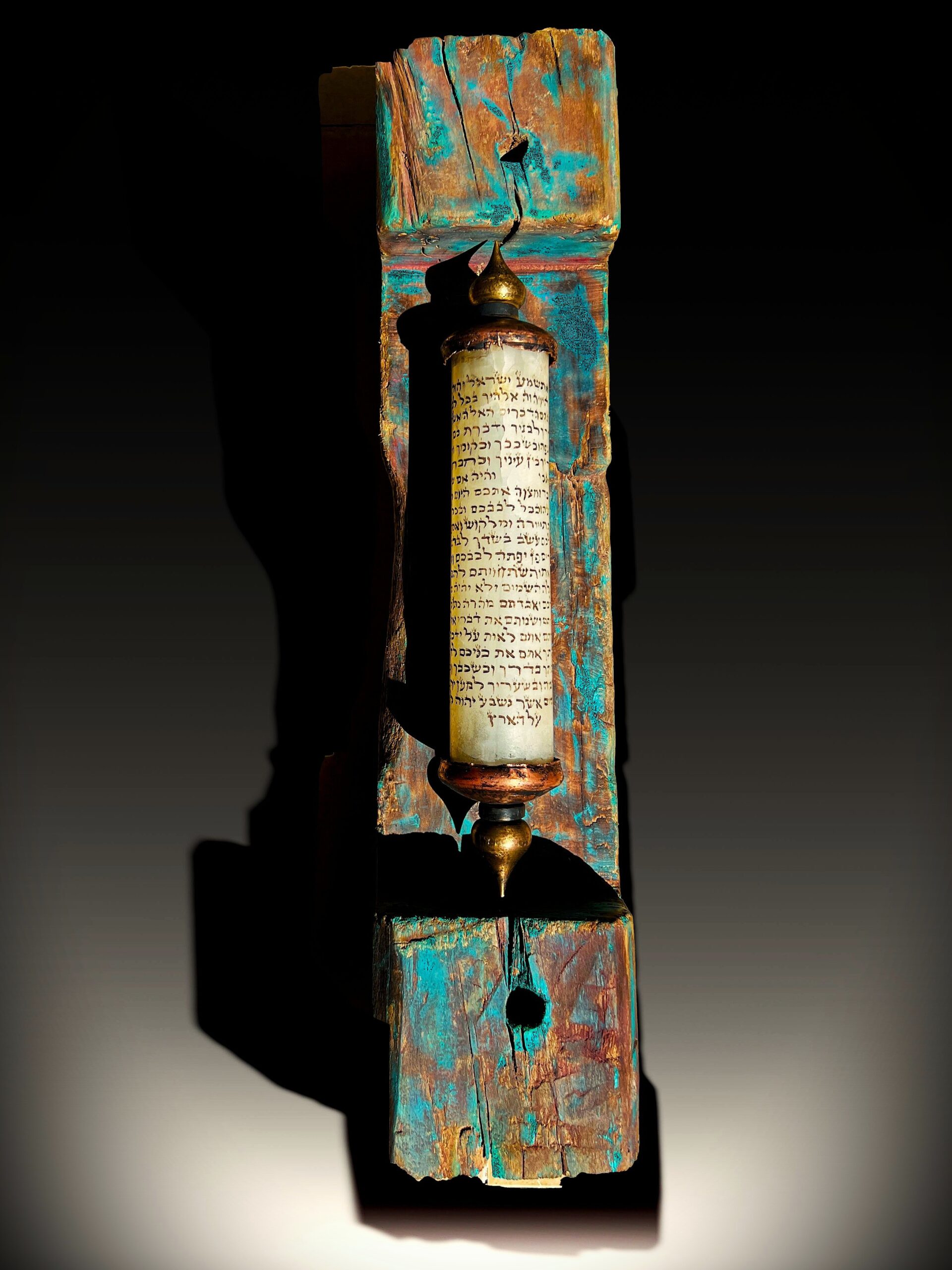
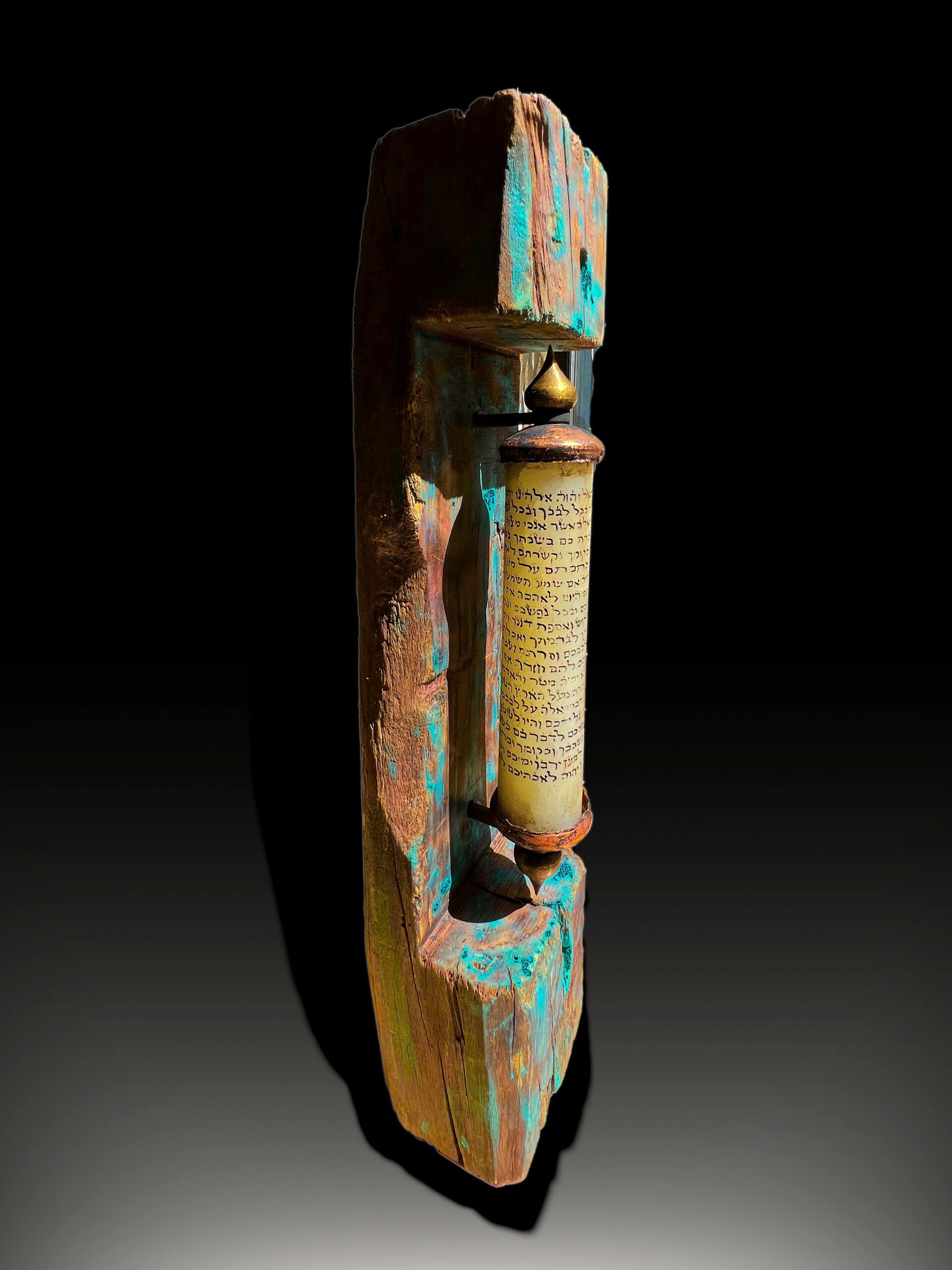
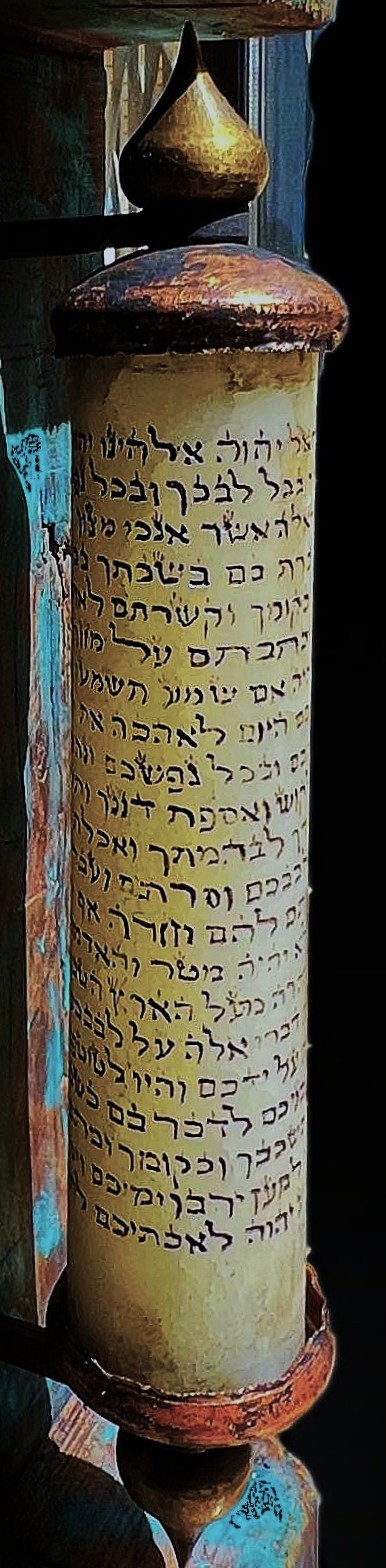
AN OLD JEWISH WOOD CARVING WITH MOUNTED MARBLE PILLAR MEZUZAH DOOR-POST YEMENITE

PERIOD :

Unkown

ORIGIN:

Southren Arabia Yemenite

DIMENSIONS:

Overoll wood carving with mounted Marble Pillar Mezuzah Door-Post it is 52 x 11 Cm- Brass-Dome Comprised Marbel Pillar 25.5 Cm

DESCRIPTION:

An exceptionally rare grandiose capture the ebauty and Spirituality of  The “Shema” Prayer” an old Jewish wood carving clump with the mounted spinning Marble Pillar Center clasping,with engraved an Ancient Mizrahi Hebrew inscriptions of the notable Jewish with the Kosher Mezuzah,of gripped with two heavy Brass dome with tauten steel ancient ring nails copper lids.

It is mentioned, an exceptionally rare itme that is scarcely appearing and catching a glimpse of in any private collections worldwide,


FOOTNOTES:

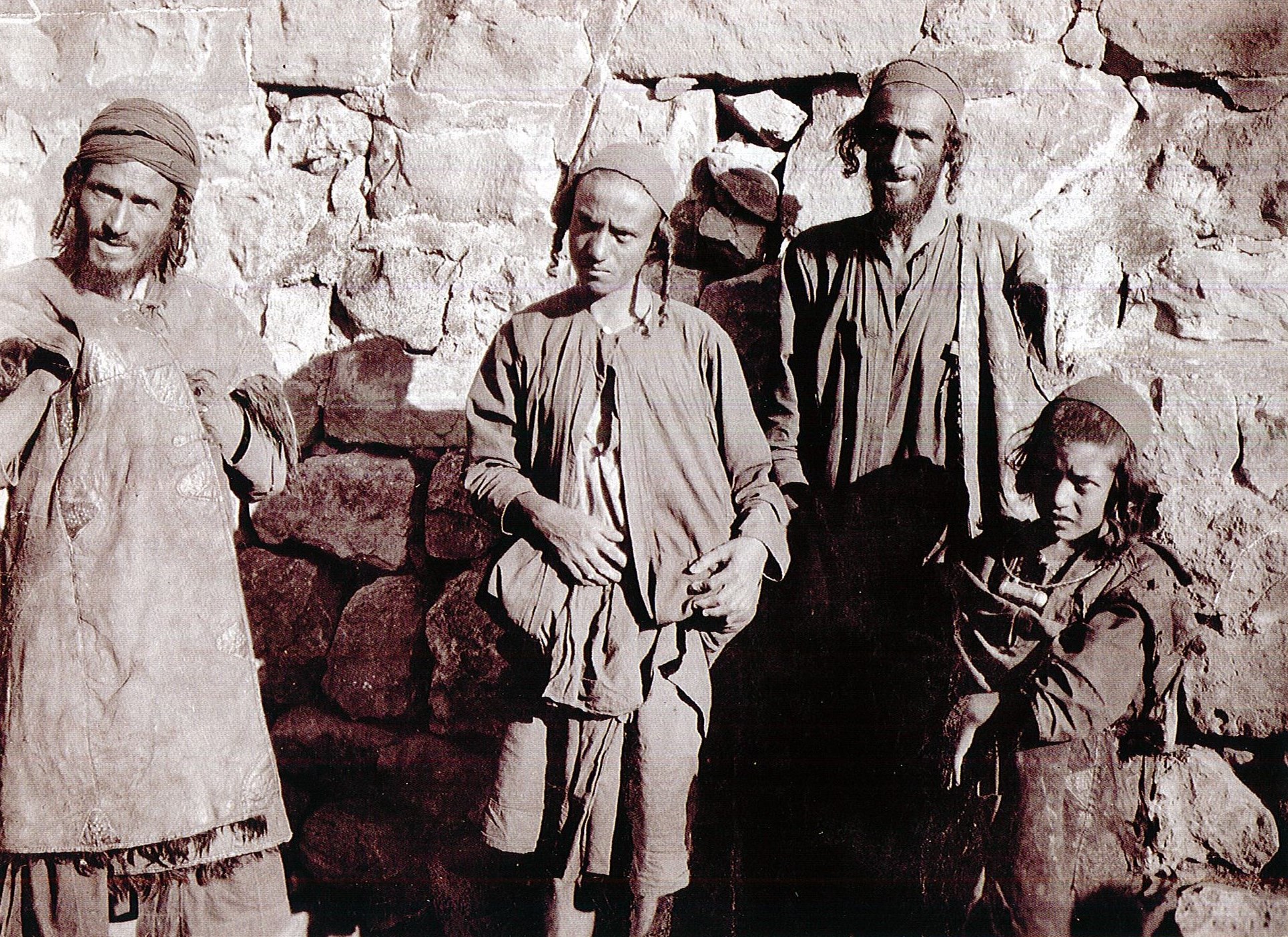
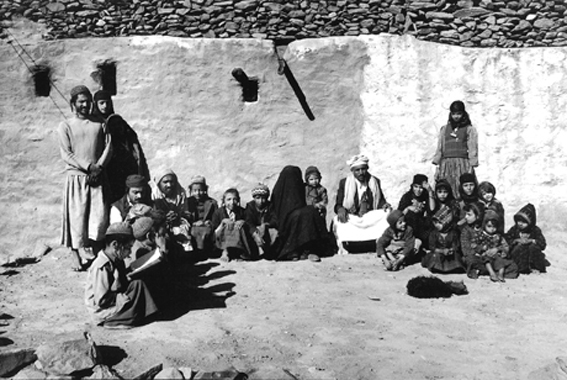
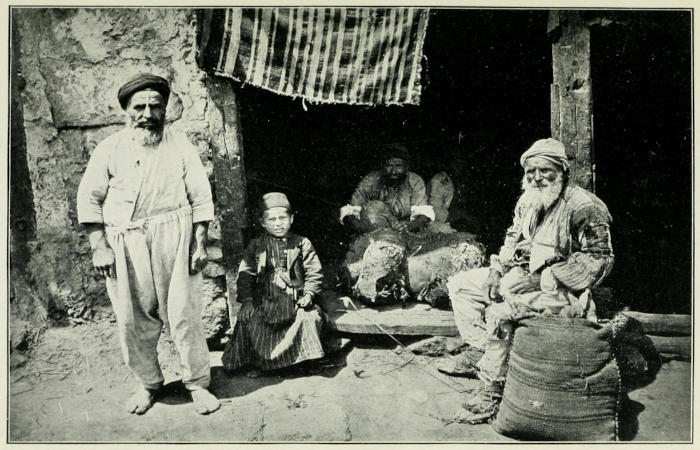
A Memory of the Ancient Jews of Yemenite Placement, Historically, unsettled by religious restrictions Yemeni Jews often hid their mezuzot, periodically placing them in niches within the doorposts themselves, rather than ornamenting them outside the door. According to the Yemenite Jewish History manuscripts Scrolls, The parchment (k’laf) is handwritten, similar to other Jewish traditions, and contains the Shema devotion. An old Jewish Yemenite had been kosher inside the doorpost. The Yemenite Jewish community has a deep, ancient history, with traditions tracing since to the first temple, often featuring distinct Hebrew, according to documented history These cultural treasures are still valued today for their delicate, unique artistic significance. This image shows a historical group portrait of individuals in traditional clothing, likely taken in the early mid 18 Century. The individuals are gathered outdoors in a village or settlement. The clothing appears to be rustic and suited for a specific cultural or regional context. The image has a sepia or black-and-white tone, indicative of early photography techniques. Described identification is not possible without further context. Etymology In the Bible, the word mezuzah only refers to the two ‘doorposts’ or the upright posts on either side of it which support the lintel, and appears in various contexts unrelated to any religious commandment or parchment. The word later acquired the modern meaning of piece of parchment in post-Biblical Hebrew due to the Deuteronomy commandment above requiring to write verses on doorposts.

CONDITION REPORT:

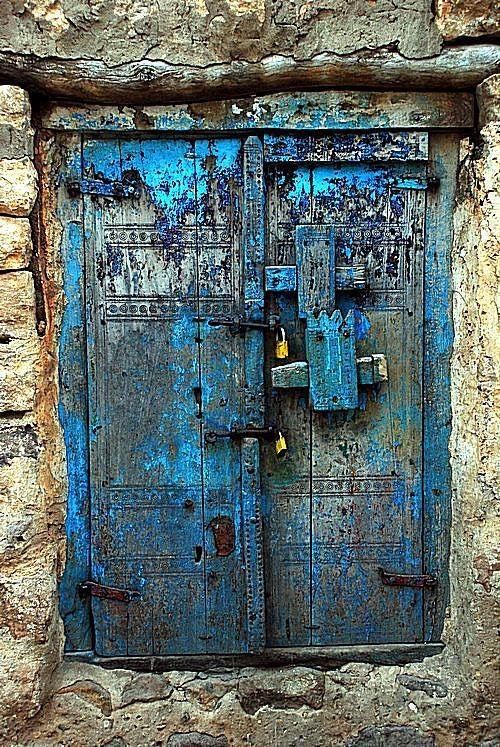
The wood clump carving with the hollow crevices and the cracked-skinned painting as seen in the image,the copper caps’ rims are tarnished due to their geriatric periods. The entire marble pillar cylinder is perfectly in spinning motion.

PROVENANCE:

Private Collections.

CERTIFICATE:

Upon the proposition
Click here to make an enquiry for this item
